Seattle may be known for rain more than snow, but every few years we see a cold snap that catches homeowners off guard. When temperatures dip below freezing, exposed pipes can crack or burst leading to costly repairs, water damage, and stressful emergency calls.
Here’s what every Seattle area homeowner should do before the first freeze arrives.
Disconnect and Drain Garden Hoses
One of the most common causes of burst pipes in cold weather is water trapped in hoses and outdoor faucets. When the water freezes, it expands and can rupture both the hose and the connected pipe.
- Detach all garden hoses.
- Drain them fully and store them indoors or in a shed.
- Close outdoor faucets tightly once hoses are removed.
Pro tip: If your home has a dedicated shutoff for exterior hose bibs, turn it off and drain the line before freezing weather hits.
Insulate Outdoor Hose Bibs
Even without a hose attached, exposed spigots are vulnerable to freezing. Insulating them is simple and inexpensive.
- Pick up foam faucet covers or hose bib insulators from a hardware store. (let me know if there is a better one we can recommend to customers).
- Wrap spigots in insulating material, then cover them with the cap.
- For added protection, apply weatherproof tape or insulation sleeves around nearby exposed piping.
This small step can save hundreds of dollars in potential repairs.
Protect Crawlspace and Garage Pipes
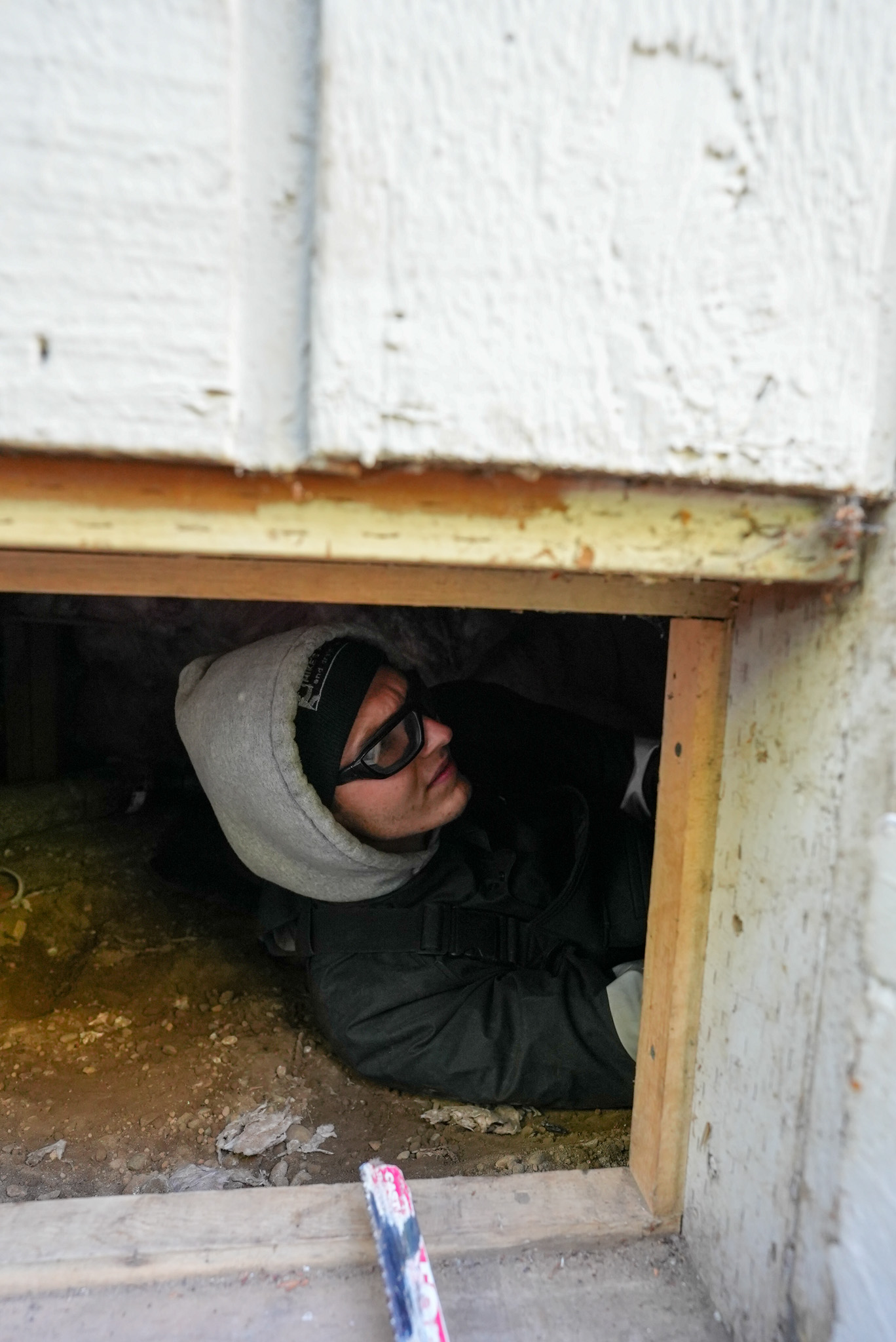
Seattle homes often have crawlspaces, and these areas can be especially susceptible to cold air. Uninsulated pipes here are at high risk during freezes.
- Check your crawlspace for exposed pipes.
- Wrap them with foam insulation sleeves or heat tape rated for plumbing use.
- Close vents that allow cold air into the crawlspace (but ensure adequate ventilation after winter).
If your crawlspace has a history of freezing, consider a small, thermostat-controlled space heater as added insurance.
Know Where Your Main Shutoff Valve Is
Even with preparation, emergencies can happen. If a pipe bursts, the faster you shut off water, the less damage you’ll face.
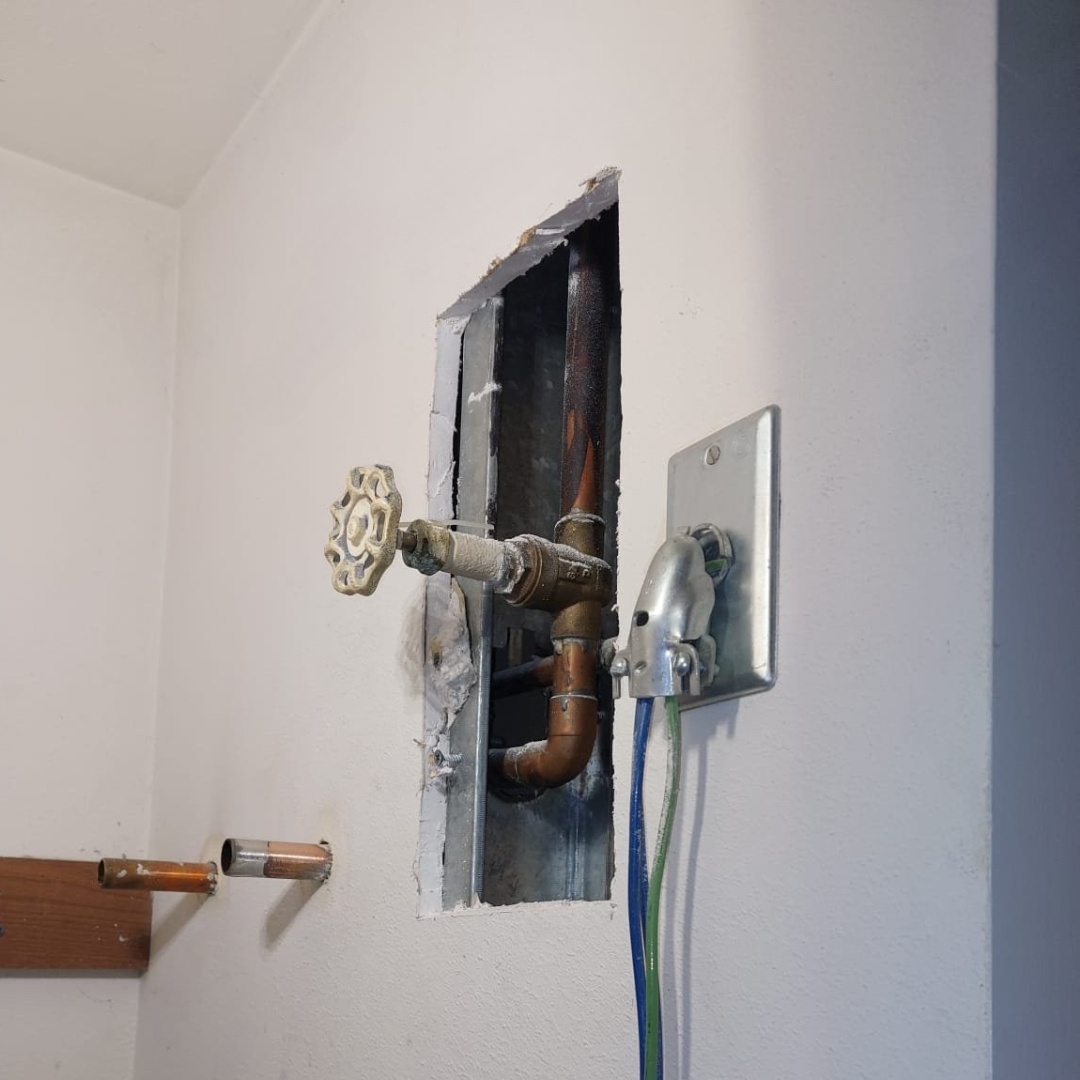
- Locate your home’s main shutoff valve usually located near where the water supply from the meter enters the home – garage, basement, utility closet or in the crawl space. Shutoff valves should be in an accessible location.
- Make sure everyone in the household knows how to use it.
- Test the valve once a year to ensure it works, and turns easily
Schedule a Professional Plumbing Check-Up
Sometimes the best preparation is a professional inspection. A licensed plumber can:
- Inspect for weak spots or leaks in your plumbing system.
- Ensure outdoor and crawlspace pipes are properly insulated.
- Flush your water heater to prepare for heavier winter use.
- Relocate your main shutoff valve for easier use when needed.
While Seattle doesn’t see long, harsh winters, the occasional freeze can cause big headaches if your plumbing isn’t protected. A few preventative steps like disconnecting hoses, insulating spigots, and checking crawlspace pipes can help you avoid the stress and expense of a burst pipe this season.
If you’re unsure about your home’s plumbing readiness, the team at Mike’s Plumbing & Drain Cleaning is here to help. We’ll make sure your system is winter ready, so you can enjoy the season without worry.